
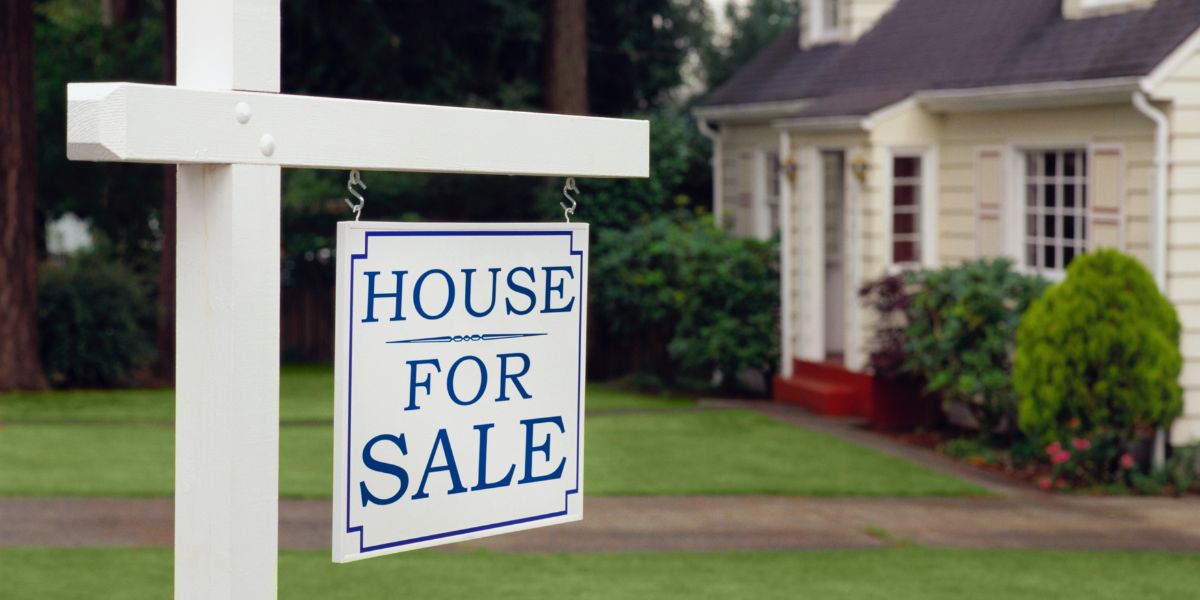
You’ve decided to sell – here’s how to prepare your home for viewings (and actually get it sold)!
The board is going up, the photos are being taken, and viewers will be walking through your door. You want a quick sale and the best possible price – but where on earth do you start?
The good news is there are some tried-and-tested things you can do to show your home off in the very best light and have potential buyers in a bunfight to get their hands on it.
I was asked about this recently on the final live call of the Calm Home Reset, and I thought it was the perfect time to put everything together in one place.
As a professional organiser, helping clients through a move is something I love doing – decluttering and staging their home ready for viewings, then packing for the move itself, and at the other end, unpacking and setting up their new home so it’s decluttered and organised from the very start. A fresh, calm beginning to their next chapter.
So whether you’re days away from listing or just starting to think about it, here’s everything you need to know in a simple, practical list of tips you can follow.
Not looking to move but need a house refresh? Love the home you’re in – CLICK HERE.
How to prepare your home for viewings (and actually get it sold)
1. Start outside: kerb appeal matters
A potential buyer’s first impression of your home happens before they’ve even stepped through the door. If the outside looks neglected, it can set a negative tone before the viewing has even started.
Give the front of your property some attention. Sweep the driveway and path, tidy the garden, and if you have pots or planters, fill them with seasonal flowers – a couple of matching pots on either side of the front door can make a lovely welcoming touch. The front door itself is worth cleaning down properly, and if the hardware (door knocker, letterbox, handle) is looking dull, a quick polish goes a long way.
2. Declutter before you do anything else
Everything else on this list is easier once you’ve decluttered. Decluttering is essentially removing the excess and creating space. It makes the deep clean faster, the staging simpler, and the whole house feel more spacious. If you’re selling your home, this really is the most important step.
Pay particular attention to personal items. Family photographs, collections of souvenirs, fridge magnets, ornaments – these things make a house feel very much like your home, which is exactly the problem when it comes to viewings. Buyers need to be able to imagine themselves living there, and it’s harder to do that when another family’s life is everywhere they look. Box up only what you want to take with you and let go of the rest. It’ll be ready to unpack in your new home, and it’ll make a real difference to how the rooms feel to viewers.
The same goes for hallways. If your entrance is swimming in coats, shoes, and bags, pop a bag of them in the boot of the car before a viewing. A clear hallway gives an immediate sense of space.
3. Deep clean – especially the wet areas
A clean home is an instant win – it gives potential buyers confidence. A dirty one could make them wonder how well the property has been looked after.
Kitchens and bathrooms are very important because they are expensive to replace. Buyers look closely at these spaces, and if grout is discoloured, silicone is riddled with mould and mildew, shower screens are watermarked, or taps have limescale, it can put people off even when everything else is great. Get the grout looking fresh, polish your chrome finishes and make surfaces sparkle. A microfibre cloth is your best friend in these spaces! And don’t forget to pop some fresh-smelling toilet cleaner down your loo right before the viewing.
If your carpets have seen better days, especially if you have pets, get them professionally shampooed. You may have become nose-blind to odours, but buyers won’t.
4. Walls, windows, and lights
It’s not usually necessary to go as far as painting walls, but check them over and remove cobwebs. If you spot any noticeable chips, stains, or marks on the walls, it’s worth touching them up or repainting those areas in a neutral tone. Neutral doesn’t mean boring; it just means broadly appealing. Buyers are less likely to be put off by a room that’s easy for them to visualise putting their own stamp on.
Windows make a huge difference to how bright and fresh a room feels. Clean them inside and out before any viewings, and do the same with mirrors and any glass surfaces. Before the viewing itself, open blinds and curtains fully, switch on all the lights – lamps and overheads – and open windows a little to let in fresh air. You want the space to feel as bright and airy as possible.
5. Clear surfaces and tidy storage areas
Once you’ve decluttered the big stuff, go back through each room and clear the surfaces. Kitchen worktops should show that there’s space to cook and prepare food – not that every gadget you own lives there permanently. Keep out only the essentials, and tuck everything else away.
And here’s something people often forget: buyers open things. They want to see the storage areas. Wardrobes, cupboards, and drawers are fair game during a viewing. So once you’ve decluttered, spend some time organising and categorising those spaces too. Use containers to keep like with like and stop things spilling out. You want them to give the impression of neat, ample, useful storage – not to look as though you’ve stuffed everything in just before they arrived (even if that’s exactly what you normally do when people visit!).
6. Stage each room with purpose
Staging doesn’t have to be complicated or expensive. It’s really just about helping buyers see what each room is for and feel good when they’re in it.
Make beds with fresh, crisp bed linen. Put clean, fluffy towels in the bathroom. Set the dining table – simply, nothing fancy, but set it. Put a vase of fresh flowers in the kitchen or on the table.
If you have any room that feels cramped, remove a piece or two of furniture to open up the floor space. A magazine on the coffee table, a few cushions, and a throw neatly folded on the sofa – these small touches help a room feel like somewhere people want to relax in.
Greenery is lovely if you have it and a reed diffuser with a clean, fresh scent – think linen or light citrus rather than something heady or overpowering – adds to the feeling without risking putting anyone off. Some people do the freshly brewed coffee trick or pop something simple in the oven, like part-baked bread, just before the viewing. It’s not as clichéd as it sounds; it genuinely works – who doesn’t love the smell of freshly baked bread!
7. Sort out any repairs and maintenance
A dripping tap, a sticking door, a light fitting that’s been waiting to be replaced for six months – all of these things are easy to dismiss when you live with them every day. But to a buyer, they suggest a home that hasn’t been well-maintained. Work through the small jobs before viewings start. It doesn’t need to be a massive undertaking; just make sure everything is in proper working order. This will be one less thing to do before you actually move, too.
8. Think about pets
Not everyone is a pet lover, and even people who are might be put off by pet hair on upholstery, a cat tree in the corner of the living room, or a dog bouncing around during the viewing. Ask someone to take the dog out, put the cat carrier away, and go over all the soft furnishings with a lint roller. You want buyers to see the house, not be distracted or put off by signs of your animals.
9. Get the temperature right
This one’s easy to overlook, but it matters. Walking into a house that feels cold and damp in winter, or stuffy and hot in summer, is uncomfortable. Discomfort doesn’t help people fall in love with a property. Make sure the house feels warm and welcoming in cooler months, and cool and fresh in warmer ones. You want buyers to feel at ease the moment they walk in.
Create your own show home
The goal of all of this is to help potential buyers imagine themselves living in your home. When you strip back the personal items, create space, and make each room feel welcoming and purposeful, you’re showing it at its very best.
And even if decluttering is the part that feels most daunting, it really is essential and where I’d suggest starting. It genuinely underpins everything else on this list.
If you’re not sure where to begin, my free Declutter Kickstart Guide walks you through getting started without the overwhelm. You can grab your copy below.